A clear path through math — from fractions to Algebra 1 and Geometry.
Math isn't a pile of separate topics. Every big idea grows from a few small ones. Follow the path at your own pace — go back to fill a gap, or move ahead of your class schedule — with visual lessons in plain English.
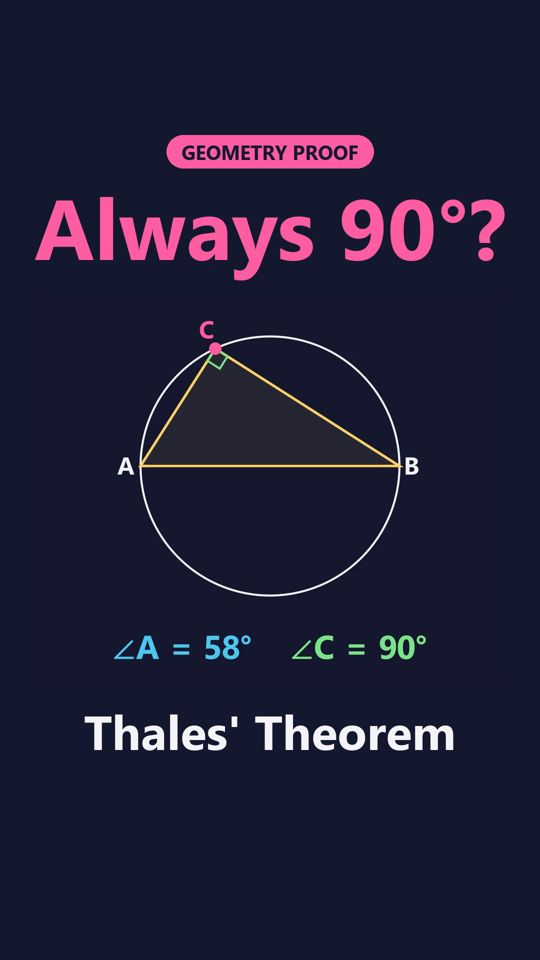 ▶ Angle in a Semicircle Is 90°: The Proof (Thales' Theorem)
Learn like building a scaffold
Start where it still makes sense
If the current topic feels shaky, go back along the path to the step that's solid — then build up from there instead of forcing it.
Master the basics
Definitions and key theorems are like an athlete's fundamentals. Each lesson shows why they're true, then drills them until they're automatic.
Connect and move on
Every step links to the next one, so a small idea becomes a big one — and you can move faster than any school schedule.
Small ideas → big ideas → putting it together
Four paths that run from elementary math into Algebra 1 and Geometry. Pick the one you need and start at the first step that isn't solid yet.
Fractions & decimals → ratios & percents → equations
A chain many students get stuck on. Fractions and decimals come back as ratios, percents and the first equations.
Number sense → algebra
The same rules behind mental-math shortcuts become the rules of algebra.
Real problems → equations & models
Read the problem, draw the quantities, then write the relationship — percents, growth, rates and chance.
Area → similar triangles → Pythagorean theorem
Cut, move and compare shapes — the picture-first reasoning that leads into high school Geometry.
How the lessons work
Read it
Math has its own language. Each lesson starts by reading the problem slowly: what is given, what is asked, and how they're related.
See it
Every idea is drawn first — area models, number lines, bar models — so the rule makes sense before you use it.
Own it
More than one way to solve each problem, a test-ready write-up with the textbook reason, and a new problem to try yourself.
Where the method comes from: many teachers in China teach math as one connected story rather than a separate unit each year, and lean heavily on diagrams. The bar models used in Singapore math are a close cousin. We use these ideas because they make math easier to understand — not because any one country's way is "better."
Pick a topic
Short visual lessons, each with a step-by-step write-up and a problem to try.
Real Life Math
Math behind the news and everyday decisions — prices, interest, probability, earthquakes.
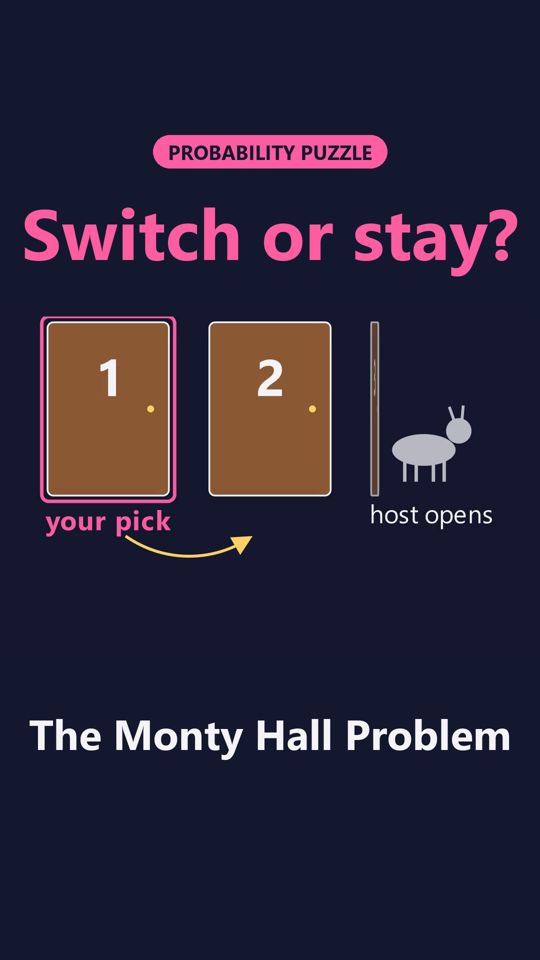
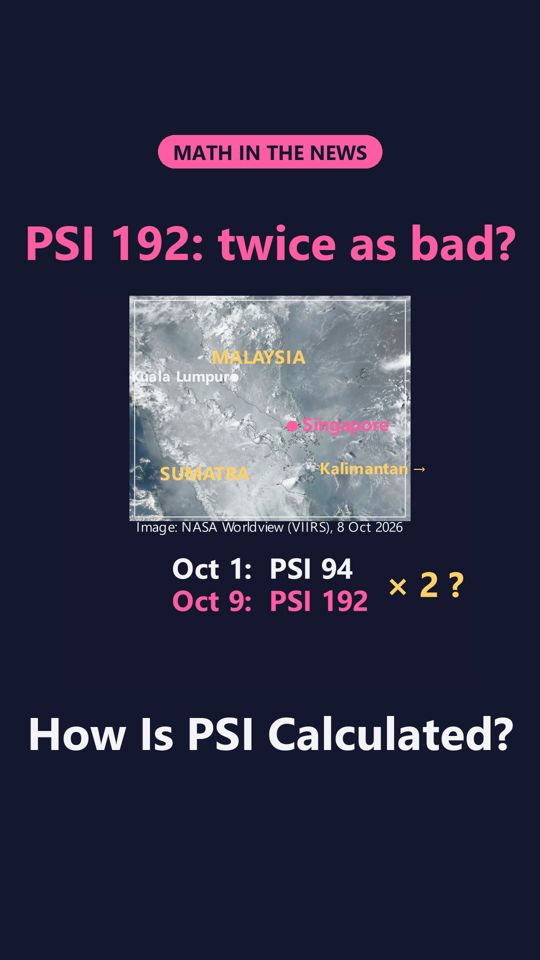
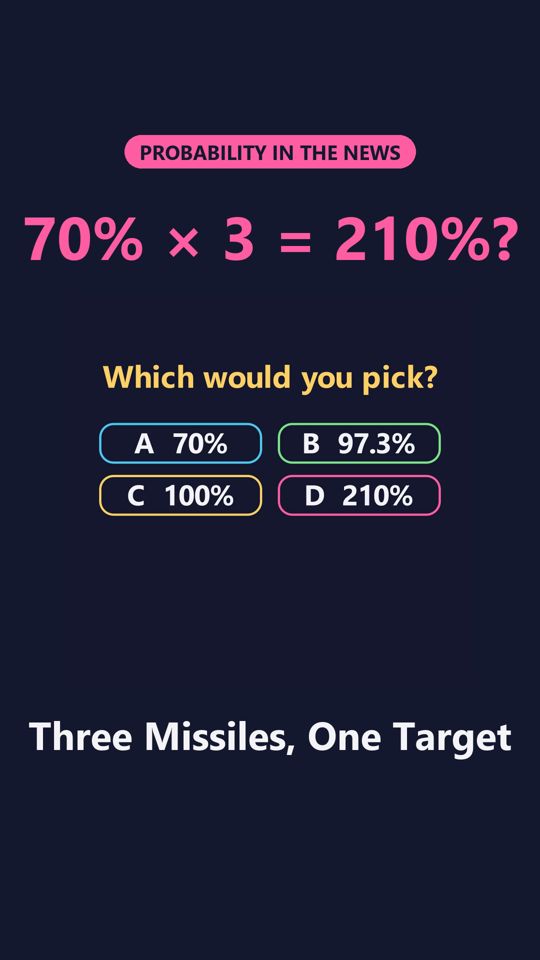
Why Does Math Work?
The reasons behind the rules: zero exponents, negative times negative, 0.999… = 1.
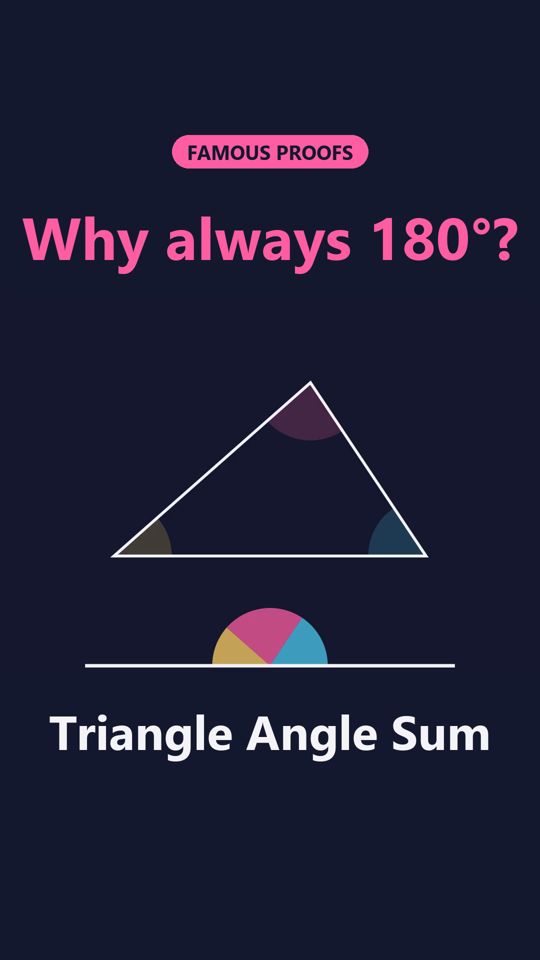
Math Proofs, Explained Visually
Famous theorems, proved with pictures you can redraw yourself.
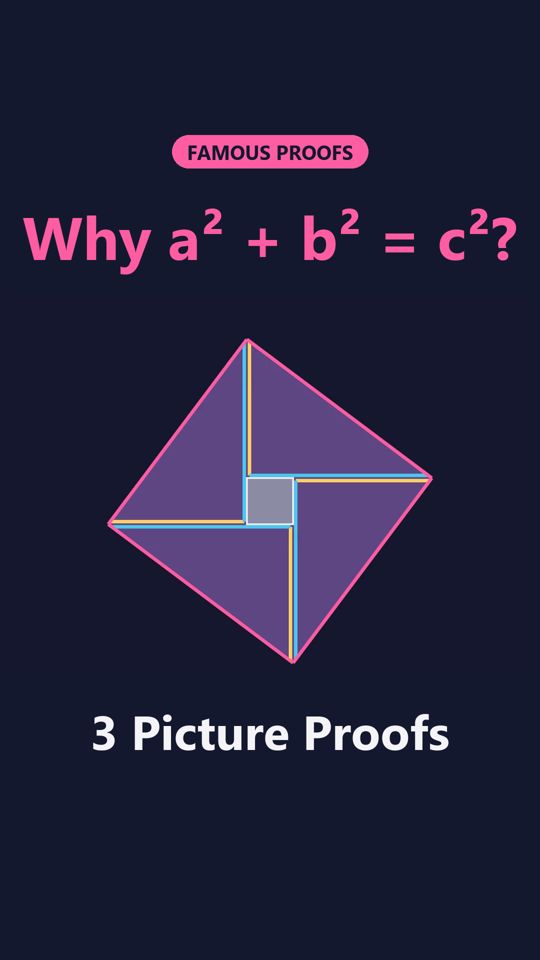
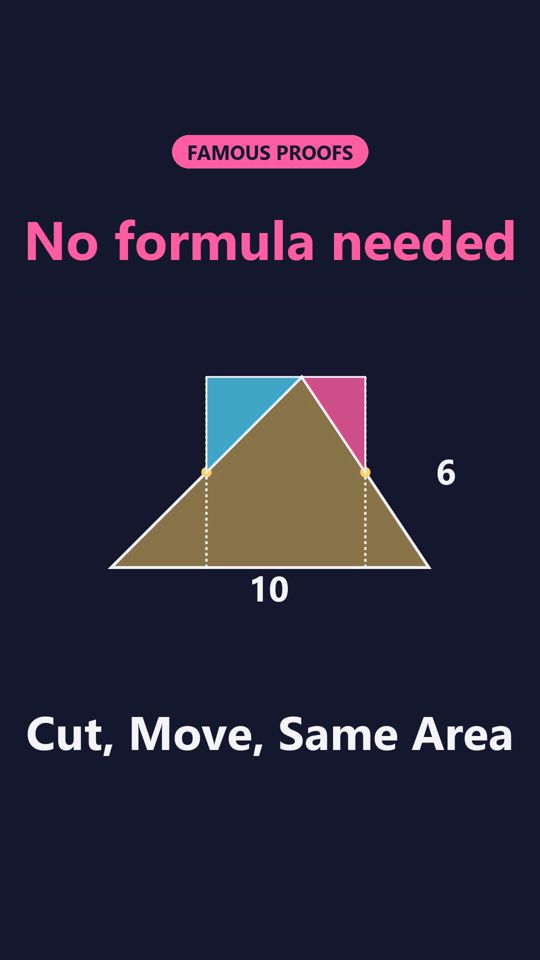
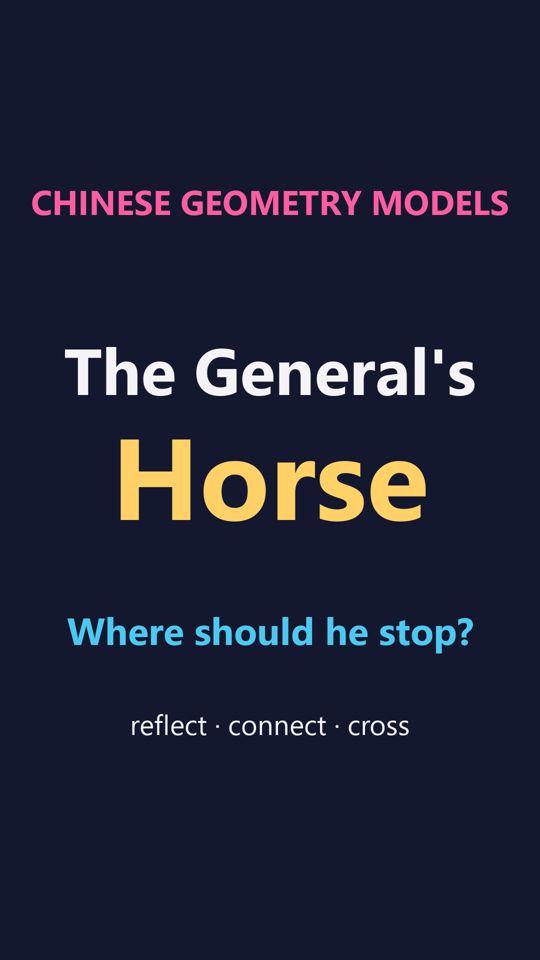
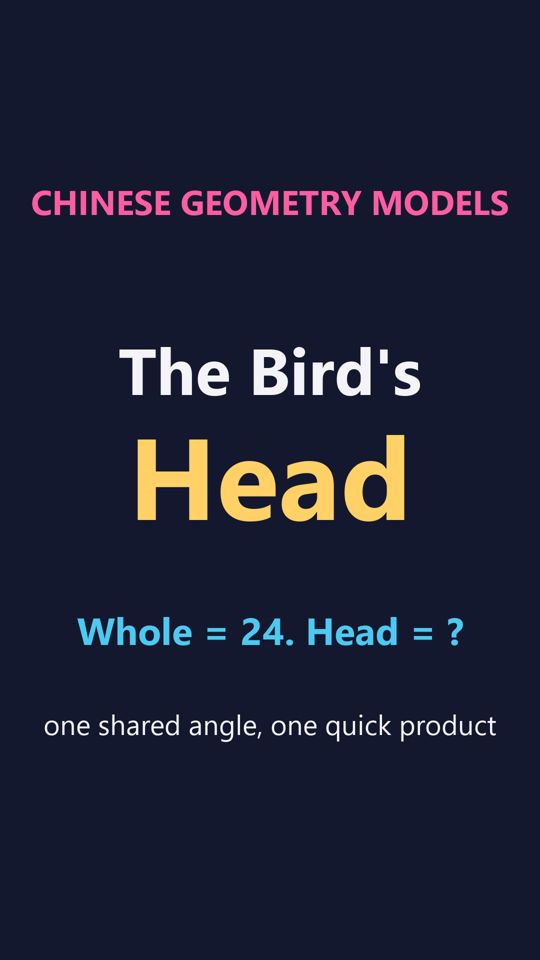
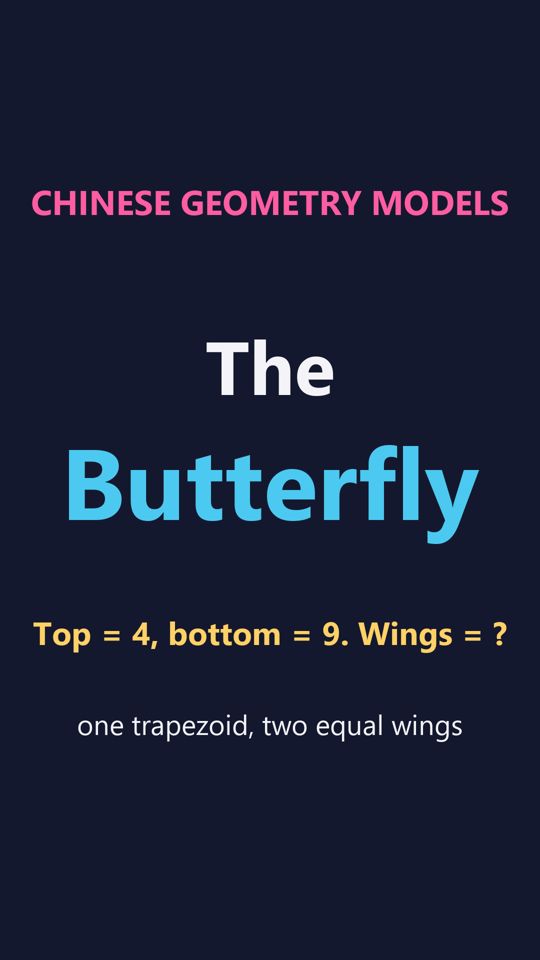
Geometry Models
Classic area and angle models taught in Chinese math classes.
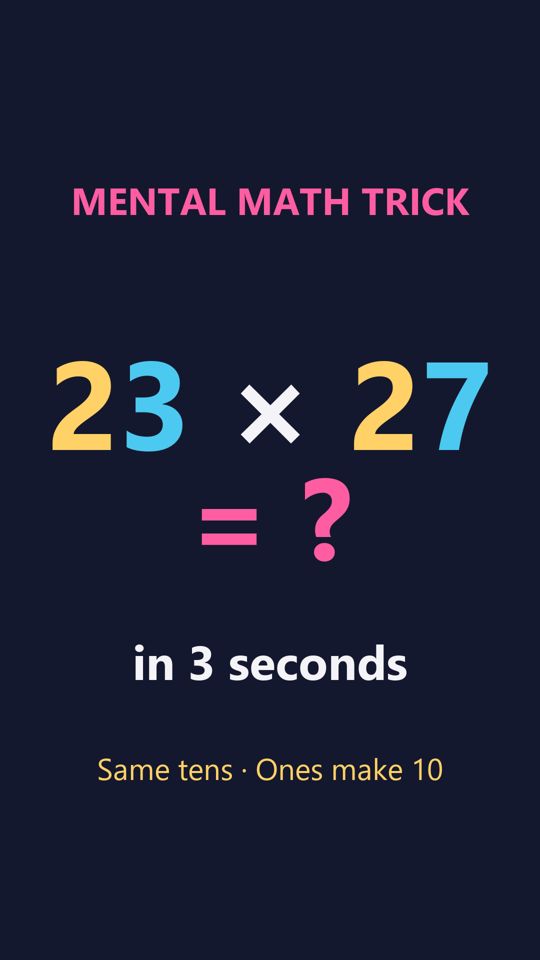
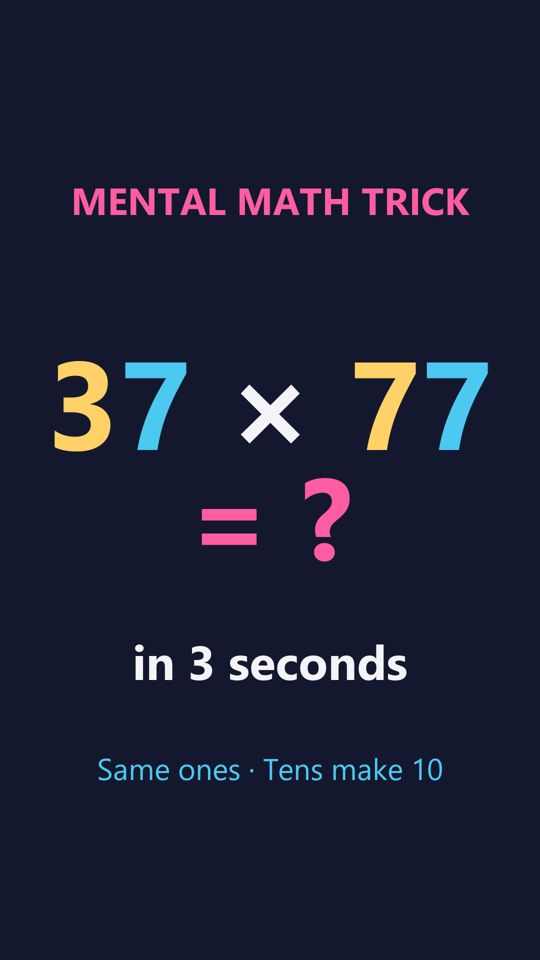
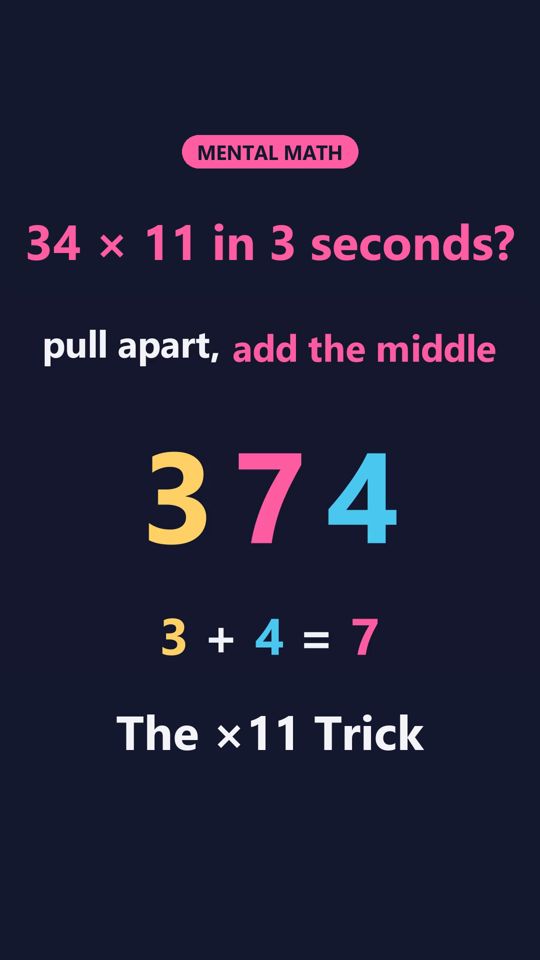
Mental Math & Puzzles
Shortcuts you can explain — with the area picture that shows why they work.
Questions
Who is this for?
Grades 3–10: elementary math through Algebra 1 and Geometry — plus parents who want to help at home, and older students or adults filling in gaps.
Can I go faster — or slower — than my class?
Yes. The roadmap isn't tied to a school schedule. Go back to fill a gap, or move ahead once a step is solid.
Do I need to know Chinese?
No. Everything is in English.
Does it replace school math?
No — it's a companion that makes the ideas behind school math clear.
Is it free?
Yes, all the lessons here are free. New ones are posted on YouTube, TikTok, Instagram and Facebook first.
Follow for new lessons
New lessons are posted on YouTube, TikTok, Instagram and Facebook first. Follow along to hear when it's out.